
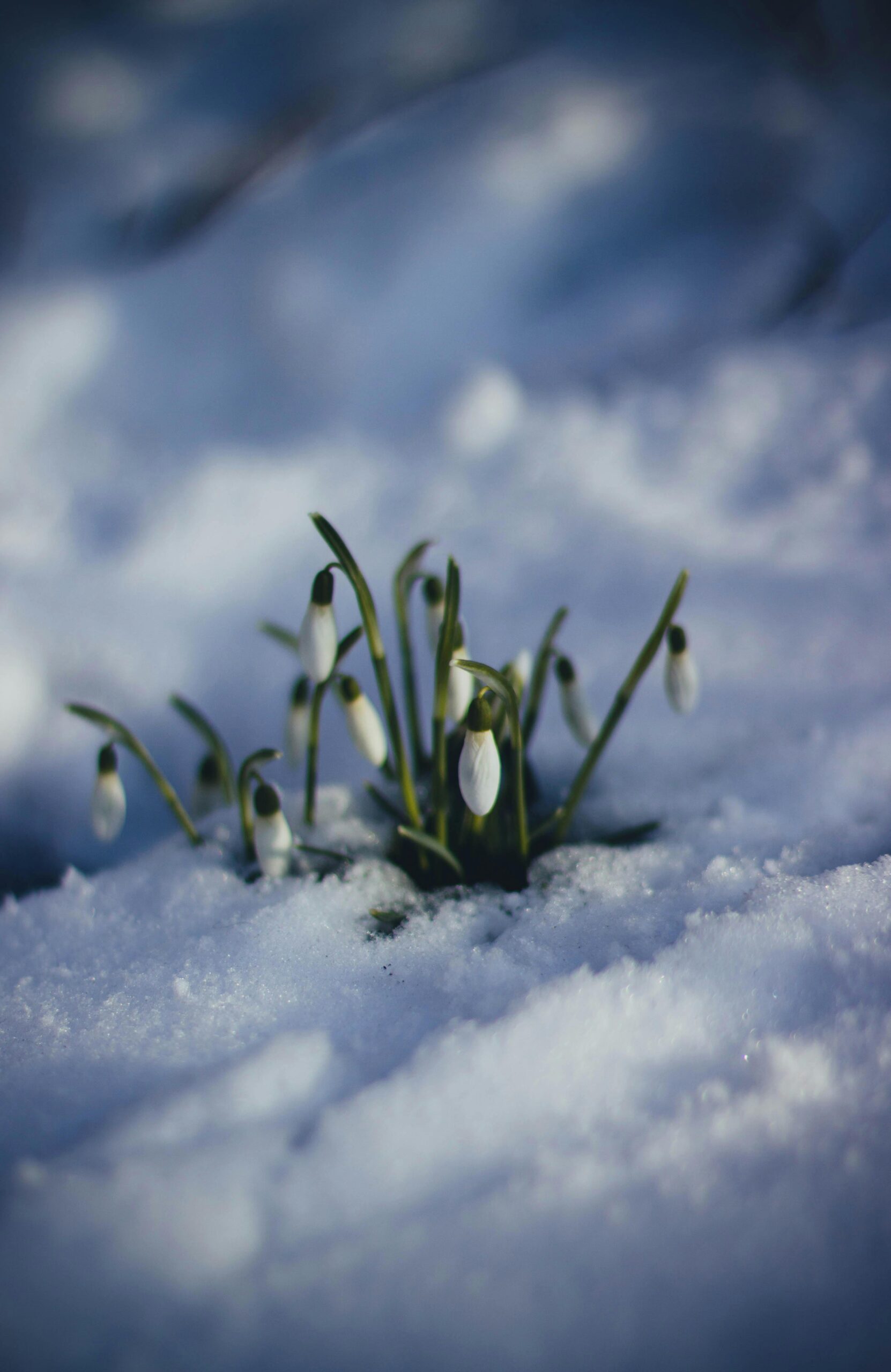
The official last day of the SoulWise Winter Sabbatical was February, 28,2026. Those 90 days were remarkable. This “Sabbatical Havdalah” essay is intended to honor that time and mark the emergence from extraordinary time back into ordinary time.
At the risk of being irreverent, I am deliberately pairing the terms “sabbatical” and “havdalah”. While “sabbatical” is a familiar word that has seeped into common parlance and is somewhat distanced from its Hebrew and religious roots, the word “havdalah” is often unfamiliar to non-Jews. Yet, in reality these two words are intimately connected to Sabbath.
The Sabbath, from the word shavat (“to rest”), is the culminating blessing over Creation (Gen 2:3) – over a Creation that has already been declared good and indeed very good! Further, God shavat v’ynafash (“rested and took a breath.. was refreshed… was re-ensouled”). For this reason, observing and remembering the seventh day is an everlasting covenantal commitment between God and God’s people (Exodus 31:16-17). Sabbath is an extraordinary time, a time of expanded awareness and connection with our Creator Who breathes life into all of Creation. Sabbath is far more than a passive collapse. Life doesn’t stop; it breathes.
A sabbatical year, as described in Leviticus 25:1-7, is a Sabbath for the land and is to be observed every seventh year. The land itself gets a rest — free of planting, pruning, or harvesting. Whatever the land naturally produces during that break may be freely consumed. Perhaps land may be more productive following a sabbatical rest, but that is likely not the point nor the promise of such fallow time. Sabbatical time is a sacred time of reorienting priorities and recalibrating our relationship(s) with the totality of Life. The land and life are to be respected and cared for, not turned into commodities (as is so often done).
Havdalah is the Hebew word for “separation”. Distinctions are good and are fundamentally built into creation. Without distinction, life as we know it would not exist. All would be tohu wa bohu, without form and void. There would be no rhythm, no colors, no flavors, no scents, no touch, no time… There would be nothing to harmonize. There would be no expansion and contraction. There would be no breath, no flow.
Havdalah is the ritual at the end of the Sabbath that marks taking leave of the seventh day and returning to the other six days of the week. Havdalah recognizes the importance of distinguishing between sacred vs. ordinary time and also the importance of returning to ordinary days. We don’t leave Shabbat mindlessly. Rather, as we depart we are invited again to savor the beauty of Shabbat through sight, smell, taste, and song. We reflect on the wonder of being embodied in that timeless time and place-less place. And we share the intention for “a good week, a week of peace, may gladness reign and joy increase” (a song commonly sung at the close of Havdalah).
The SoulWise Winter Sabbatical was indeed an extraordinary time. Before embarking on the journey, some of us intentionally disentangled from some of the activities that were diverting our attention and ability to be present, but to be clear: Life. Did. Not. Stop. Rather, the pause, the questions, and the felt reflections allowed us to notice – or perhaps even embody! – the intangible realities that enliven life and make life worthwhile. When we leave sabbatical time, our focus returns to ordinary matters. But we don’t exactly loose our expanded consciousness. Rather, we often bring a deeper awareness and engagement with life – life in, around, and between us. May gladness reign and joy increase.